Overview
The project engineered a 2D hydraulic model to analyse flow dynamics and validate design parameters at the Sunkoshi Hydropower headworks. As project lead, I assigned the data collection and analysis work across the team and oversaw the modelling from start to finish.
The aim was to establish the design discharge, test how the headworks behave under flood conditions, and identify the areas at risk of inundation for different return periods.
Method
In orderData collection
Field data collection, including a bathymetric survey of the headworks to capture the riverbed topography.
Catchment analysis
ArcGIS analysis of the basin's geographic and hydrological characteristics upstream of the site.
Hydrology & boundary conditions
Hydrological analysis to set the design discharge and flood hydrographs used as the model's boundary conditions.
2D hydraulic model
A 2D model in HEC-RAS to study flow through the headworks and check the design parameters.
Flood inundation mapping
Inundation zones quantified for several return periods, as input to risk assessment and mitigation planning.
Drawings & presentation
AutoCAD drawings of the headworks layout, cross-sections and long profile, presented with the findings to faculty and industry reviewers.
Why hydrographs matter
A flood hydrograph shows how river discharge rises to a peak and falls over time. Feeding the model a hydrograph, not a single peak value, shows how long the headworks stay under stress and how the flood spreads across the floodplain.
Site photos
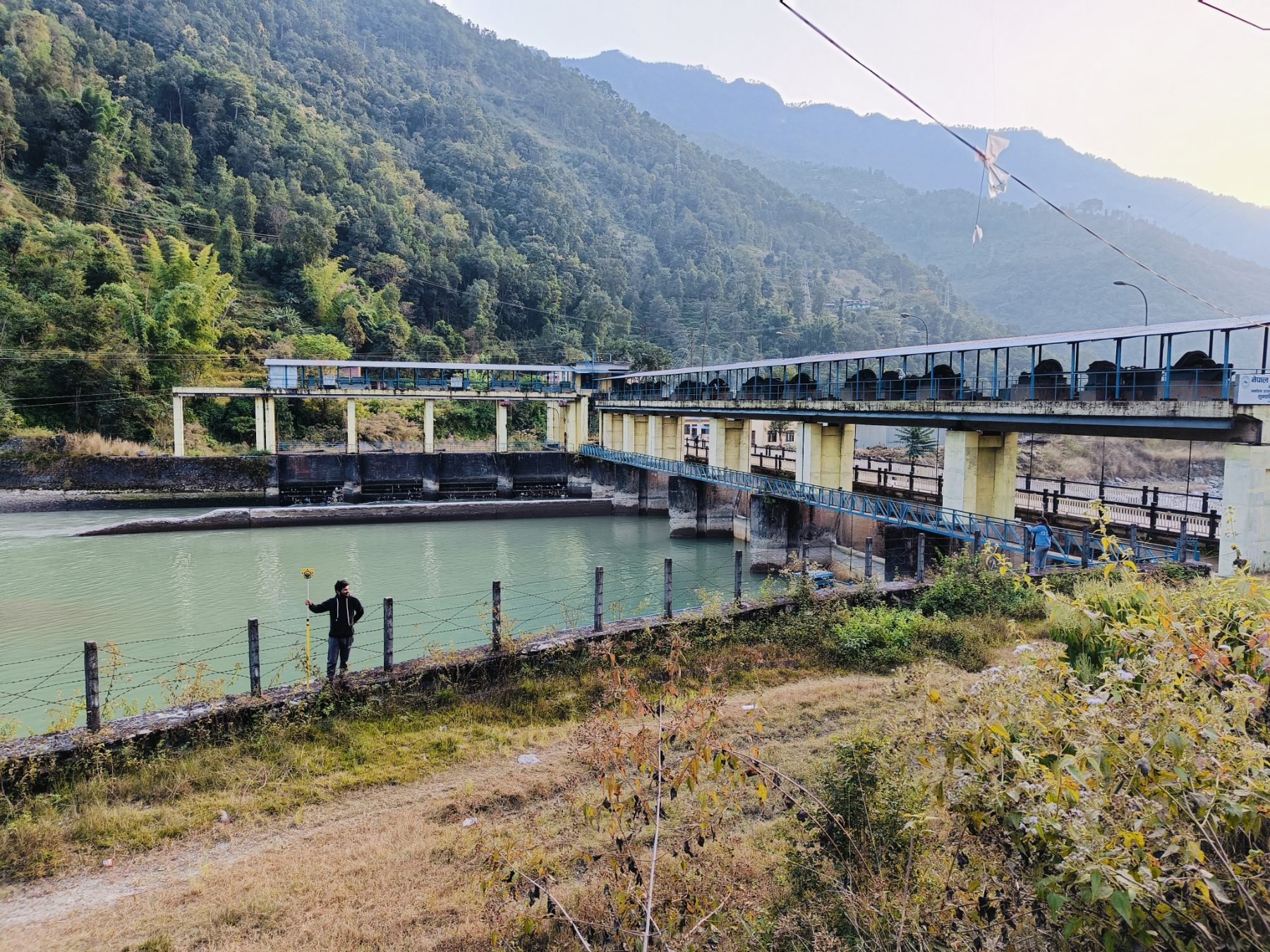
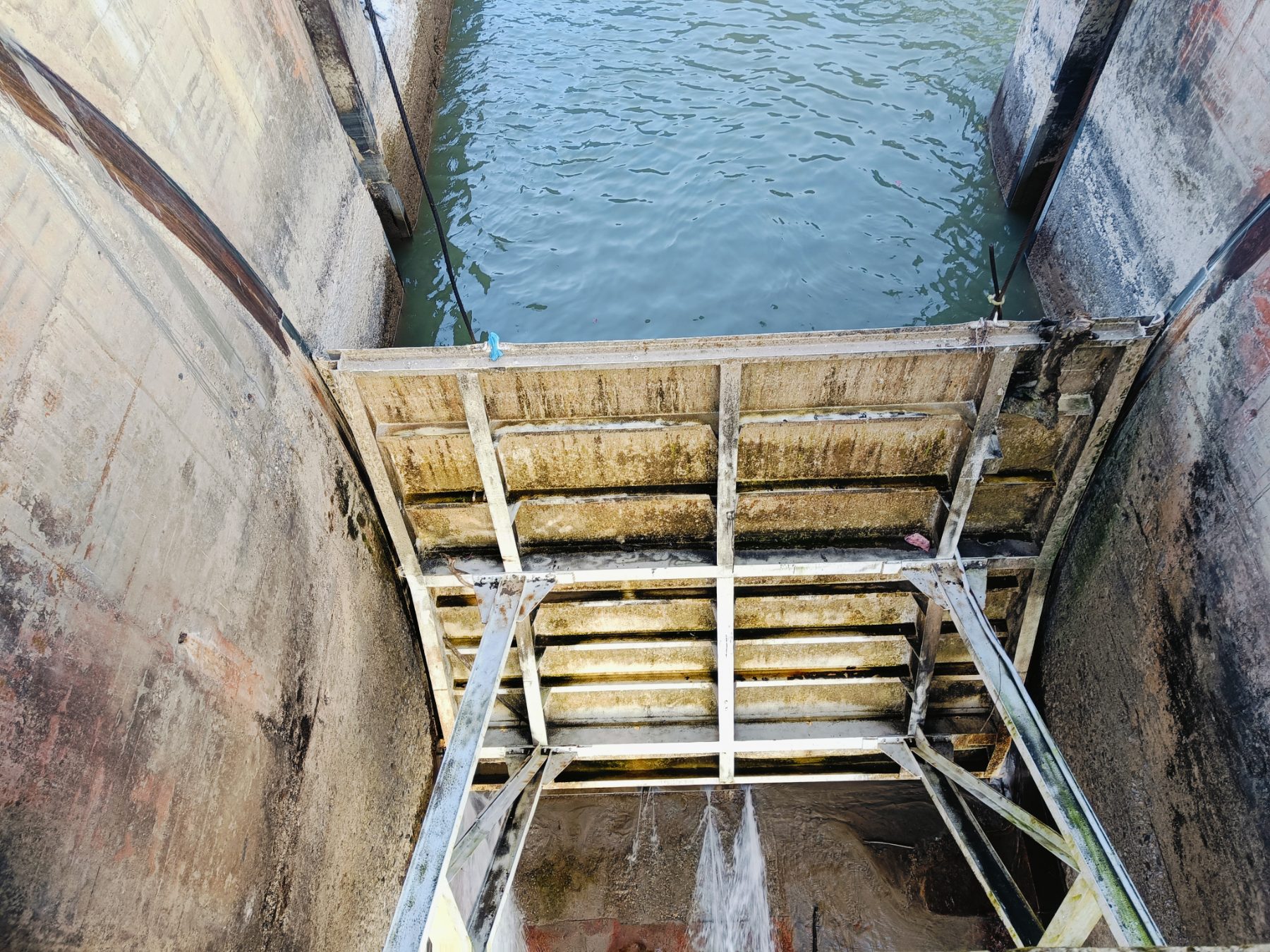
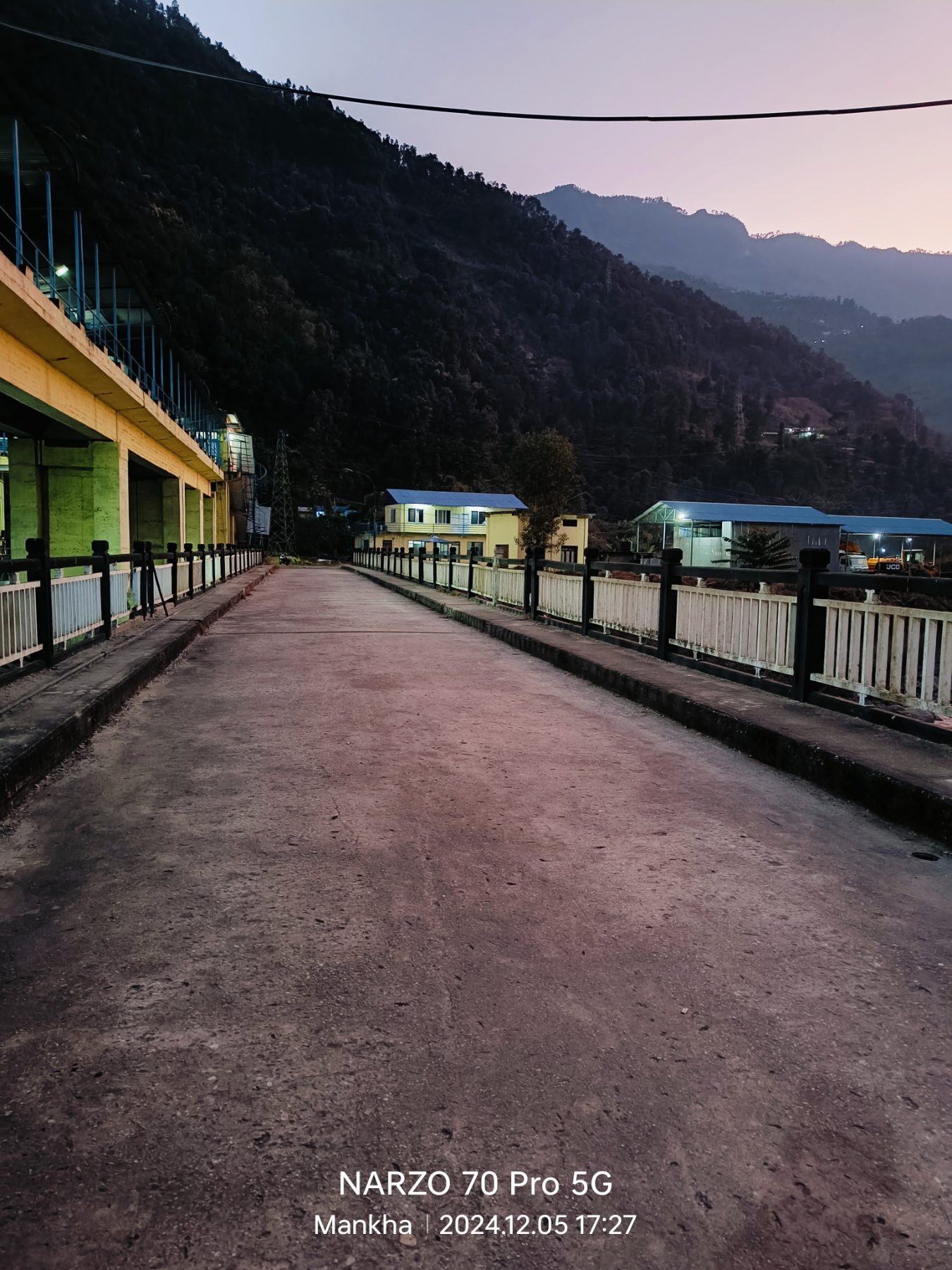
Sunkoshi headworks